
Traditional Summer Drinks Popular in India: Authentic Sharbats, Cultural Roots, and Refreshing Serving Ideas
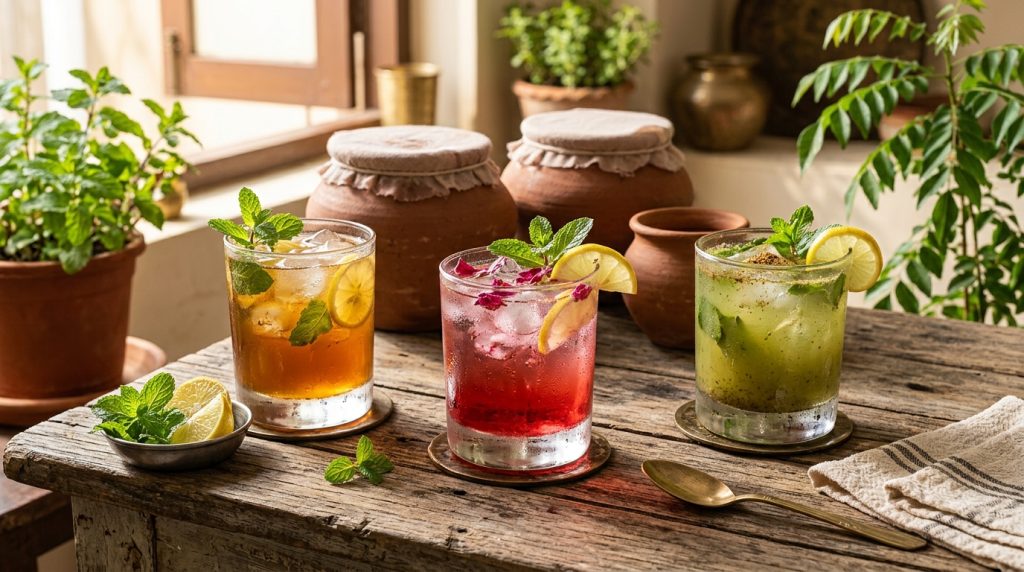
When the Indian subcontinent welcomes the blazing summer months, homes across every state turn to a cherished culinary tradition: indigenous summer beverages. Long before modern bottled sodas and synthetic soft drinks filled grocery shelves, Indian kitchens relied on botanical extracts, sun-ripened fruit reductions, aromatic roots, and traditional spices to combat the afternoon heat. These traditional beverages are far more than mere thirst quenchers; they represent a deep culinary heritage rooted in mindfulness, seasonal awareness, and hospitality.
In this guide, we explore the rich variety of traditional Indian summer drinks, from ruby-red dry plum infusions to soothing bael coolers and royal floral essences. We will examine why these classic preparations remain beloved, how they differ from commercial fruit juices, and creative ways to incorporate them into your contemporary dining table.
The Cultural Heritage of Indian Sharbats
The word sharbat has ancient linguistic roots, traveling through Persian and Arabic culinary traditions before finding a vibrant home in royal Mughal courts and everyday Indian households. In classical Indian hospitality, offering a tall brass or glass tumbler of chilled sharbat to arriving guests is an expression of warmth, welcome, and goodwill.
Traditional Indian drinks were purposefully designed around seasonal ingredients. Summer harvests provided wild plums, ripened wood apples (bael), fragrant vetiver grass (khus), and blooming roses. Rather than drinking heavy, overly caffeinated, or ice-cream-based concoctions under a blazing sun, families created concentrated botanical syrups that could be diluted with chilled earthen pot (matka) water.
Top Traditional Summer Drinks Enjoyed Across India
1. Aloo Bukhara Sharbat (Tangy Dry Plum Infusion)
Hailing from the bustling bazaars of Northern India, particularly Amritsar, Old Delhi, and Kashmir, Aloo Bukhara Sharbat is crafted from dried black and purple plums. The plums are steeped, simmered, and blended with roasted cumin, rock salt (kala namak), black pepper, and unrefined sugar.
The result is a complex, sweet, and distinctly tangy beverage with a jewel-toned ruby hue. It offers an earthy fruitiness that pairs exceptionally well with afternoon savory snacks or spicy summer meals. To learn more about this plum specialty, read our comprehensive guide on Aloo Bukhara Sharbat: Taste Profile and Serving Ideas.
2. Rooh-e-Gulab (Shahi Rose Sharbat)
Few aromas capture the romance of an Indian summer quite like Damascus roses. True traditional rose sharbat relies on natural rose petal distillates rather than synthetic perfumes. Served over crushed ice with a twist of fresh lime or stirred into chilled milk with soaked basil seeds (sabja), rose sharbat provides an instantly calming floral fragrance that has graced family gatherings for generations.
3. Bael (Wood Apple) Cooler
The hard-shelled wood apple is an indigenous fruit revered for its cooling attributes. Cracking open a bael fruit reveals a fibrous, aromatic pulp with a natural honey-like sweetness and subtle citrus notes. Traditionally mashed with cool water, strained, and seasoned with a touch of jaggery and crushed black pepper, bael sharbat is a quintessential midday cooler in rural and urban India alike.
4. Khus (Vetiver Root) Sharbat
Instantly recognizable by its deep emerald green color and rich woody aroma, Khus sharbat is prepared from the fragrant fibrous roots of vetiver grass. In traditional Indian homes, vetiver was woven into window screens and moistened with water to perfume the summer breezes. In beverage form, khus delivers an intensely earthy, herbal refreshment that feels grounded and soothing on sweltering afternoons.
How Traditional Sharbats Differ from Modern Commercial Sodas
Understanding the difference between traditional concentrate preparations and modern ready-to-drink beverages helps consumers make better choices for their pantries:
- Ingredient Base: Authentic sharbats begin with concentrated real fruit pulps, herbal extracts, and traditional spices (cumin, cardamom, black salt) rather than carbonated water with artificial flavorings and chemical stabilizers.
- Customizable Dilution: A single bottle of artisanal sharbat syrup allows you to control the exact sweetness and intensity. You can dilute it lightly with sparkling water or blend it with fresh lemon and crushed mint.
- Culinary Versatility: Unlike carbonated beverages, sharbat concentrates double as dessert toppings. They can be drizzled over kulfi, folded into yogurt bowls, or paired with traditional fruit snacks like Authentic Aam Papad for a nostalgic afternoon treat.
Creative Ways to Serve Sharbat for Modern Gatherings
Elevate your summer hosting with these simple yet sophisticated serving presentations:
- The Earthen Pitcher Presentation: Chill your diluted sharbat in a traditional terracotta or clay jug. The porous clay naturally keeps the liquid cool while adding a faint, pleasant earthy aroma.
- Sparkling Botanical Mocktail: Combine two tablespoons of plum or rose sharbat with ice, fresh mint sprigs, a squeeze of fresh lime juice, and top with chilled unflavored sparkling club soda for an effervescent celebration drink.
- Sabja (Basil Seed) Infusion: Soak sweet basil seeds in water for 10 minutes until they develop a translucent jelly-like halo. Spoon them generously into chilled rose or aloo bukhara sharbat for delightful texture and mouthfeel.
Key Takeaways
- Traditional Indian summer drinks celebrate natural fruit pulps, floral essences, and balancing spices like roasted cumin and black salt.
- Classic varieties like Aloo Bukhara, Bael, Rose, and Khus have centuries of culinary history and offer nuanced flavor profiles unmatched by artificial sodas.
- Syrup concentrates offer complete control over sweetness, temperature, and mixology pairings.
- Always select reputable brands that prioritize authentic ingredients and transparent bottling.
Frequently Asked Questions (FAQ)
What is the best way to store traditional sharbat concentrates?
Unopened bottles should be kept in a cool, dry pantry away from direct sunlight. Once opened, it is best to seal the cap tightly and refrigerate the bottle to maintain peak flavor, aroma, and fruit freshness over 3 to 6 months.
Can traditional sharbat be made without dairy?
Yes. The vast majority of traditional Indian sharbats—including Aloo Bukhara, Bael, Khus, and lemon-based varieties—are naturally plant-based and traditionally prepared with plain water or sparkling soda.
How do I know the correct water-to-syrup ratio?
Most artisan syrups recommend a ratio of 1 part syrup to 4 or 5 parts chilled water. However, you can adjust this to your personal taste preference depending on whether you prefer a bold sweetness or a subtle, light infusion.
Guruji Thandai & Natural Herbal Sharbat Collection
Conclusion & Call to Action
Embracing traditional Indian summer drinks is a wonderful way to reconnect with authentic culinary heritage while enjoying flavorful, thirst-quenching moments throughout the warmer seasons. Whether you are hosting a festive family feast, spending a leisurely Sunday afternoon, or seeking an interesting alternative to carbonated soft drinks, classic sharbats bring timeless joy to your glass.
Explore our complete comparison guide on the Best Traditional Sharbat Options for Hot Weather to discover your family’s next signature refreshment. Which traditional cooler is your favorite? Share your memories in the comments below!
Leave a Reply